August 3, 2026
The structural integrity and timeless beauty of a property often rely on the quality of its stone, brick, and concrete elements. From elegant outdoor living spaces to durable commercial retaining walls, stone craftsmanship transforms ordinary landscapes into permanent artistic statements. While some homeowners consider attempting these intricate installations as weekend DIY challenges, the precise nature of working with heavy mortar blends demands specialized expertise. Engaging a qualified, professional masonry business ensures that your structural investments remain beautiful, structurally sound, and compliant with local municipal codes for decades to come.
Designing Beautiful Outdoor Living Spaces
Transforming a simple backyard into a luxurious entertainment hub is one of the most common requests for contractors today. Patios, outdoor kitchens, and custom fire pits serve as the structural anchor points for a modern residential landscape design. Crafting these spaces involves selecting materials that coordinate visually with the primary residence while withstanding extreme climate shifts. A professional masonry business understands how to select the right combination of natural flagstone, interlocking pavers, and stone veneer to achieve the perfect balance of aesthetics and function.
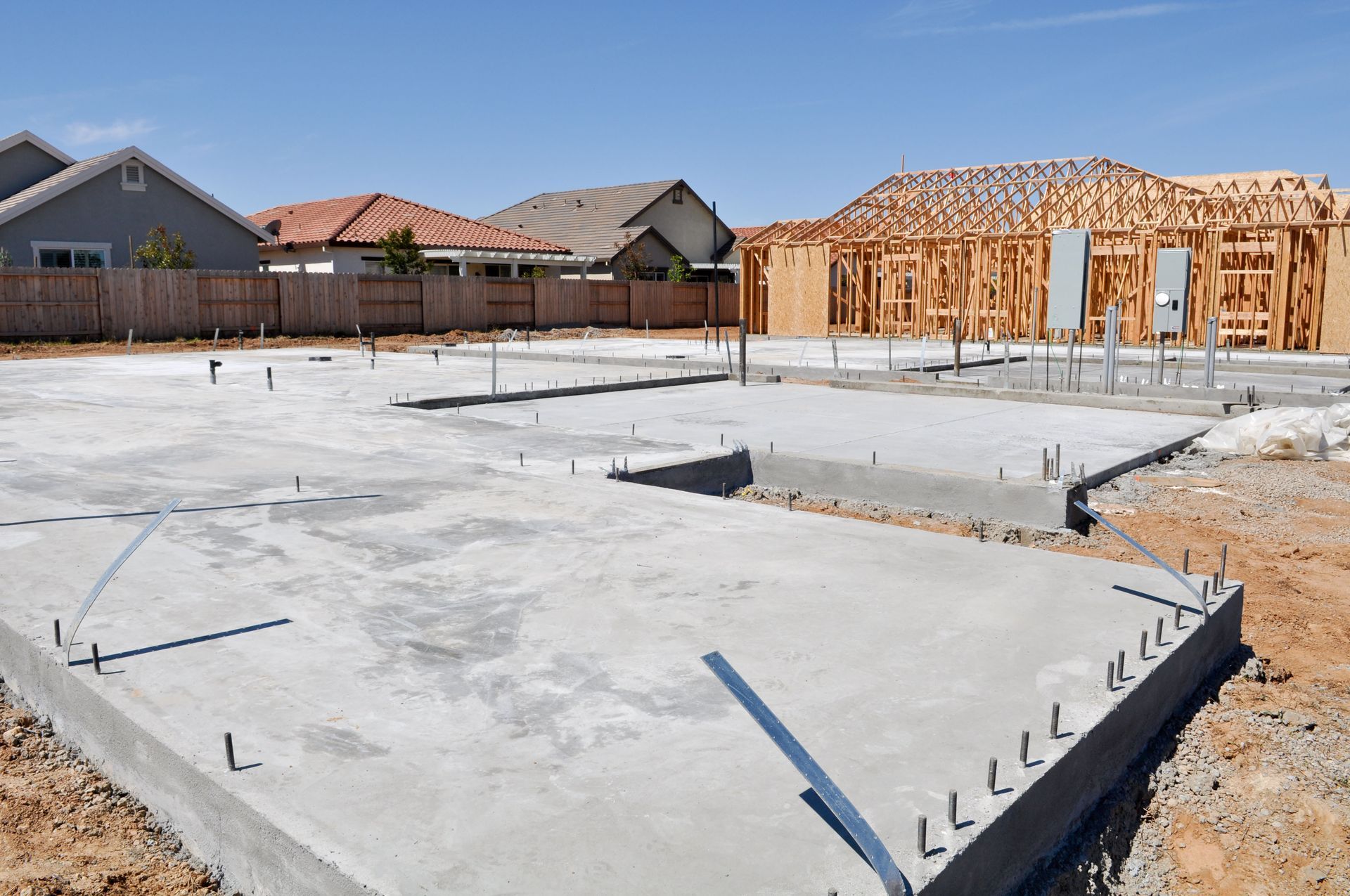
When constructing an outdoor living area, proper base preparation is critical to prevent shifting, settling, and cracking over time. Expert tradesmen carefully excavate the site, install a dense aggregate base layer, and calculate exact grade percentages to ensure water flows safely away from structural foundations. Whether you want an intimate brick courtyard or an expansive limestone cooking pavilion, professional installation guarantees a level, durable surface that withstands heavy foot traffic, patio furniture, and severe weather patterns for several decades.
Furthermore, outdoor fireplaces and built-in grills require specialized firebrick and high-temperature mortar to ensure safety. Standard bricks will crack or explode when exposed to intense heat, making professional material selection paramount. Experienced stone masons understand how to construct internal combustion chambers, flue systems, and chimneys that draw smoke away from guests safely. By integrating these complex features seamlessly into a broader patio design, professionals create functional works of art that enhance your daily lifestyle while significantly boosting the overall appraisal value of your home.
Installing Durable Retaining Walls
Retaining walls serve a vital dual purpose in both residential landscaping and commercial site development by combining stark structural engineering with visual appeal. Property owners frequently install these barriers to combat severe soil erosion, manage steep slope transitions, and create flat, usable yard space out of hillsides. Because these structures must continuously resist immense lateral earth pressure, poor construction practices inevitably lead to catastrophic wall blowouts, costly property damage, and severe safety hazards.
- Engineering proper drainage systems: Water accumulation behind a stone barrier is the primary cause of structural failure, making integrated weep holes, perforated pipes, and gravel backfill mandatory.
- Calculating accurate weight loads: Taller walls require specialized stepped designs, soil reinforcement grids, or poured concrete footings to remain stable against shifting earth.
- Selecting resilient regional materials: Choosing high-density concrete blocks, interlocking wall systems, or heavy split-face limestone ensures the barrier resists intense freeze-thaw cycles without crumbling.
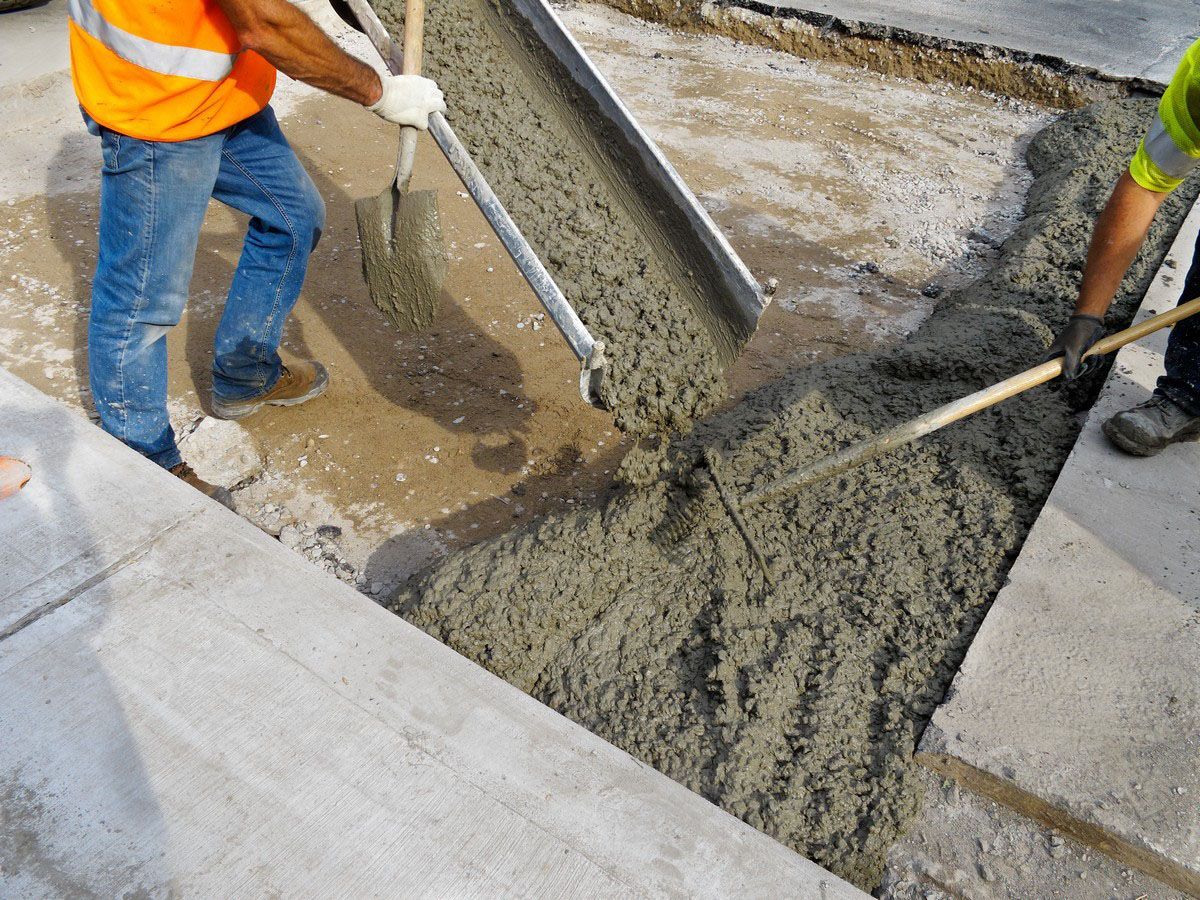
In addition to managing soil and water, well-designed retaining walls can be used to create beautiful terraced gardens, built-in perimeter seating, and grand structural transitions. A commercial masonry business knows how to evaluate soil composition, determine hydrostatic pressure, and obtain the necessary municipal engineering permits before the first stone is ever placed. This comprehensive approach guarantees that the final structure will remain perfectly upright, balanced, and functional for many generations.
Constructing Elegant Brick Walkways
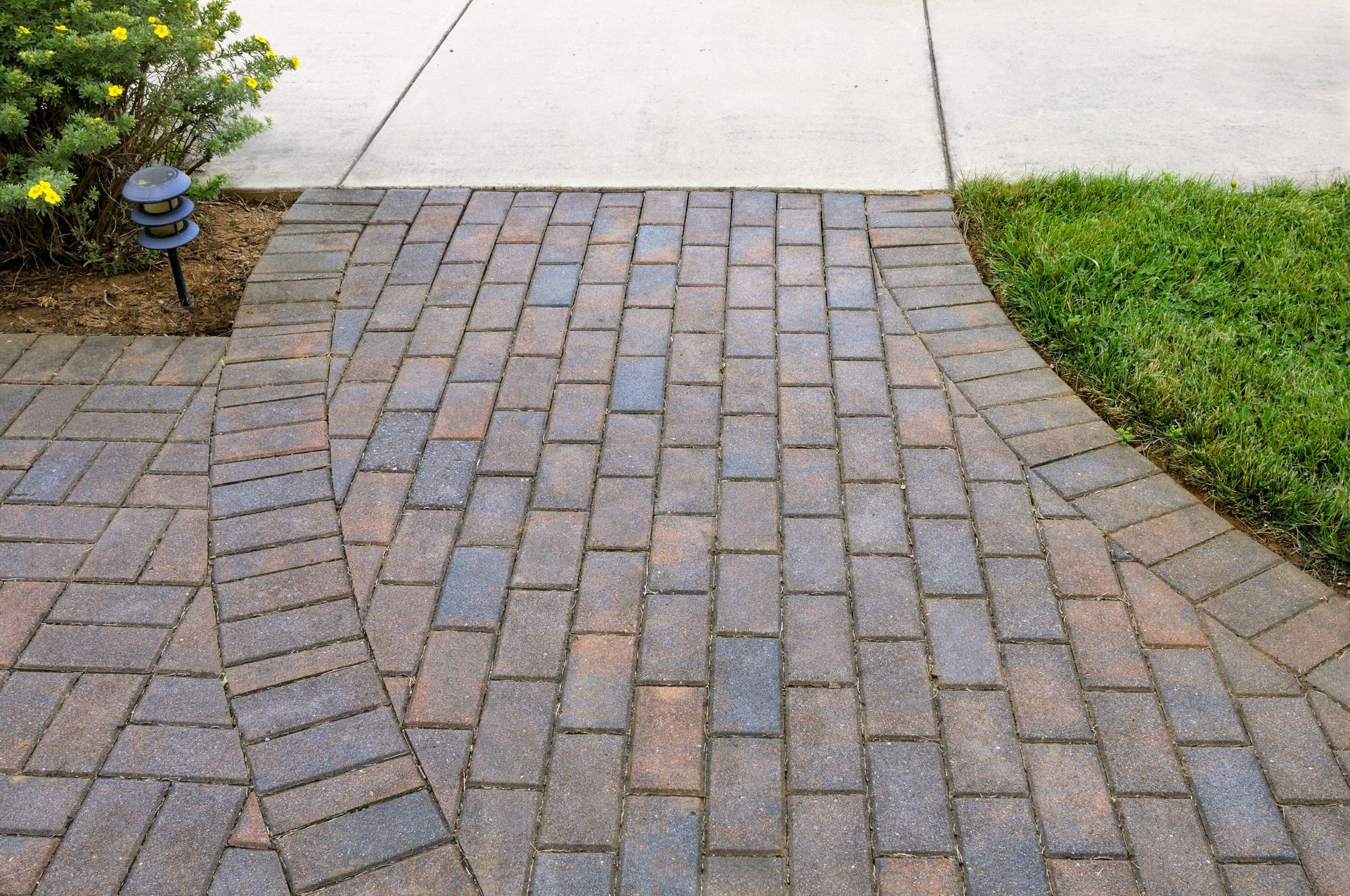
A meticulously laid brick or stone walkway provides an immediate boost to a property's curb appeal while guiding foot traffic safely across the lawn. The layout possibilities are virtually endless, ranging from classic running bond patterns to intricate herringbone configurations. Achieving straight lines, consistent heights, and uniform joint widths requires a level of patience and specialized diamond-blade cutting equipment that only an experienced masonry business can consistently provide on a daily basis.
Beyond the visible top layer, the longevity of a walkway depends entirely on the hidden sub-base engineering. According to Market Reports World, global infrastructure development and road construction consume nearly 40% of all global aggregates produced on an annual basis. This massive industrial utilization underscores just how critical high-quality crushed stone bases are for supporting weight, preventing shifting, and maintaining structural integrity across all pathways, from massive commercial highways to simple residential garden sidewalks.
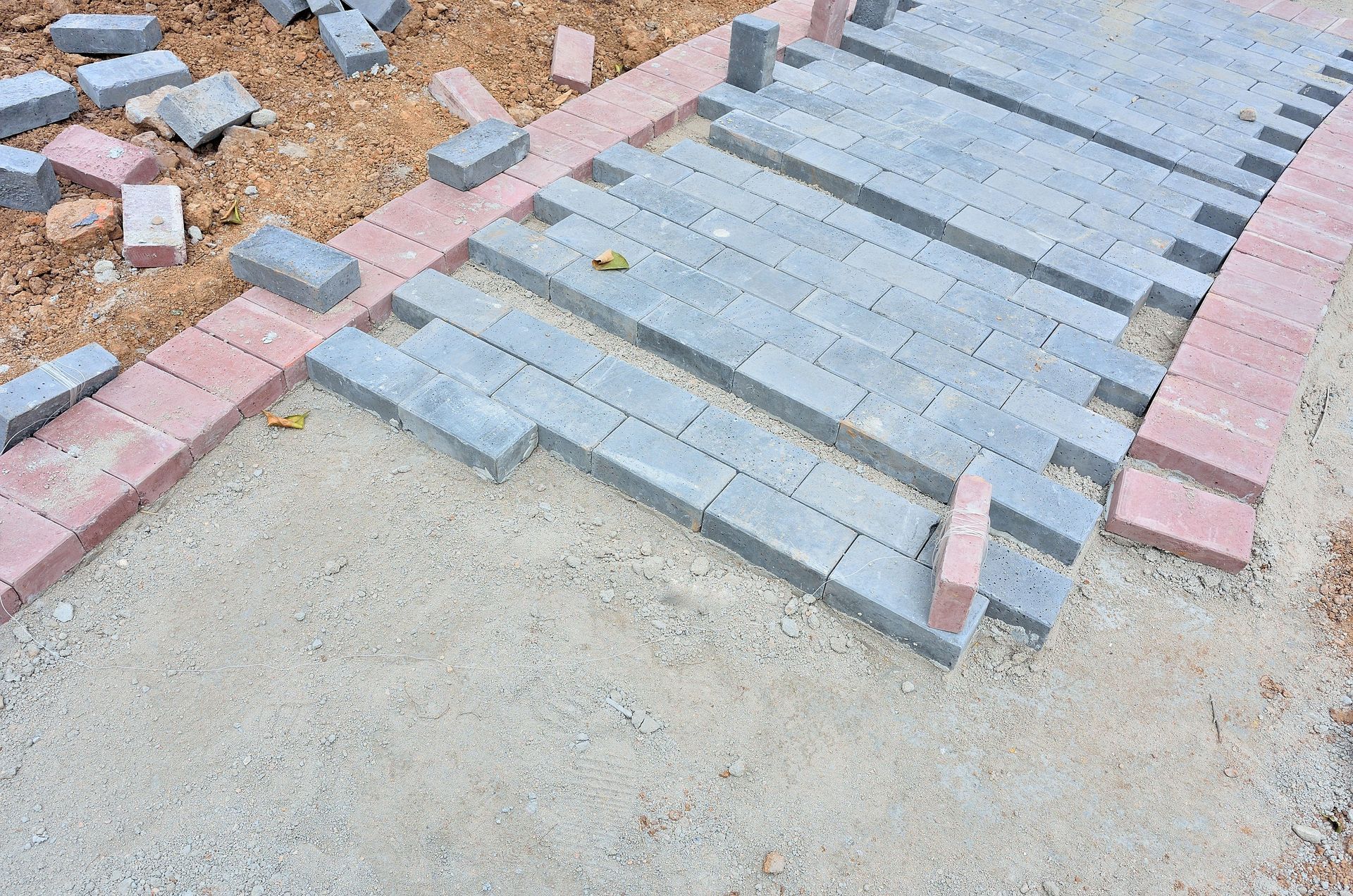
When walkways are built incorrectly, individual pavers will quickly become loose, create hazardous tripping points, and allow invasive weeds to take over the joints. Professional installers prevent these issues by applying a highly compacted gravel base, followed by a sharp bedding sand layer, and finishing with durable polymeric sand in the joints to lock the units together permanently. This meticulous process ensures that your investment remains completely smooth, safe, and weed-free through years of heavy rain, snow, and foot traffic.
Repairing Historical Mortar Joints
Over several decades, even the most robust brick walls begin to show clear signs of environmental wear, moisture intrusion, and structural aging. The mortar holding the individual brick units together naturally erodes much faster than the clay pieces themselves, creating gaps that allow rainwater to seep into the building envelope. Neglecting these minor gaps can lead to severe interior water damage, mold growth, structural destabilization, and spalling, which occurs when brick faces crack and break away entirely.
- Executing precise tuckpointing techniques: Technicians carefully scrape away the damaged, crumbling mortar to a uniform depth without chipping the surrounding historical brickwork.
- Matching historical mortar composition: New mortar mixes must closely mirror the flexibility, breathability, and coloration of the original compound to prevent structural binding and cracking.
- Restoring original water resistance: Applying fresh, deeply packed mortar seals the wall system, preventing future moisture penetration and structural settlement.
Restoration work is highly specialized and should never be treated as a standard masonry task. Applying modern, rigid Portland cement to old, soft clay bricks will cause the bricks to fracture under normal seasonal expansion and contraction. A specialized masonry business possesses the historical knowledge and material testing tools required to formulate compatible lime-based mortars, preserving the structural integrity and historical accuracy of older residential and commercial landmarks.
Creating Striking Architectural Accents
Beyond massive walls and expansive patios, stonework offers incredible opportunities to introduce sophisticated architectural accents to a property's exterior. Custom structural arches, stone mailboxes, brick gate pillars, and stone veneer foundations add layers of texture that elevate standard home designs. These detailed features act as stunning visual focal points, instantly increasing the appraisal value of a home or commercial building.
Executing these detailed accents requires an eye for artistic composition alongside strict adherence to structural building guidelines. A premier masonry company possesses the specialized laser leveling systems, structural framing ties, and heavy-duty anchoring hardware needed to secure heavy materials to existing wood or concrete surfaces safely. Investing in professional installation means your custom masonry accents will remain proud, plumb, and pristine through decades of environmental exposure.
Partnering With Regional Material Experts
The ultimate success of any stone, brick, or concrete construction project depends directly on the caliber of the raw materials delivered to the job site. Savvy property owners and commercial general contractors understand that hiring a reliable
masonry business is only half of the equation; those installers must also have access to premium aggregates, specialized cements, and durable masonry units. When you are ready to elevate your property with stunning, permanent stone infrastructure, secure your materials from a trusted regional provider and contact I-10 Building Materials.