August 6, 2026
In the world of construction, structural longevity and durability depend heavily on the quality of materials selected. Masonry, a time-tested building technique utilizing materials such as brick, stone, and concrete, demands the best components to ensure an enduring result. This article explores the essential masonry supplies needed to build stable structures, offering insights into how each selection contributes to the structural integrity of your build. Each section will delve into critical aspects, including choosing the correct mortar mixes, selecting quality bricks, and evaluating other vital components.
Selecting the appropriate materials not only impacts the aesthetic appeal of a structure but also its capacity to withstand environmental stressors. While there are numerous products available, the key is to discern which options best suit your specific construction demands and local conditions. Therefore, understanding the options in modern masonry supplies, techniques, and specialized tools is fundamental. Through this guide, we aim to equip you with the knowledge necessary to make informed decisions that enhance both durability and visual appeal.
With recent advancements in manufacturing and sustainable engineering, the construction market offers a plethora of choices that cater to highly diverse project requirements. Whether you are an experienced construction professional or a dedicated DIY enthusiast, this guide serves as a comprehensive resource for building with lifelong durability in mind. Building to last begins with the right choice of high-quality masonry supplies, and this guide will show you exactly how to achieve that.
Choosing the Right Type of Mortar
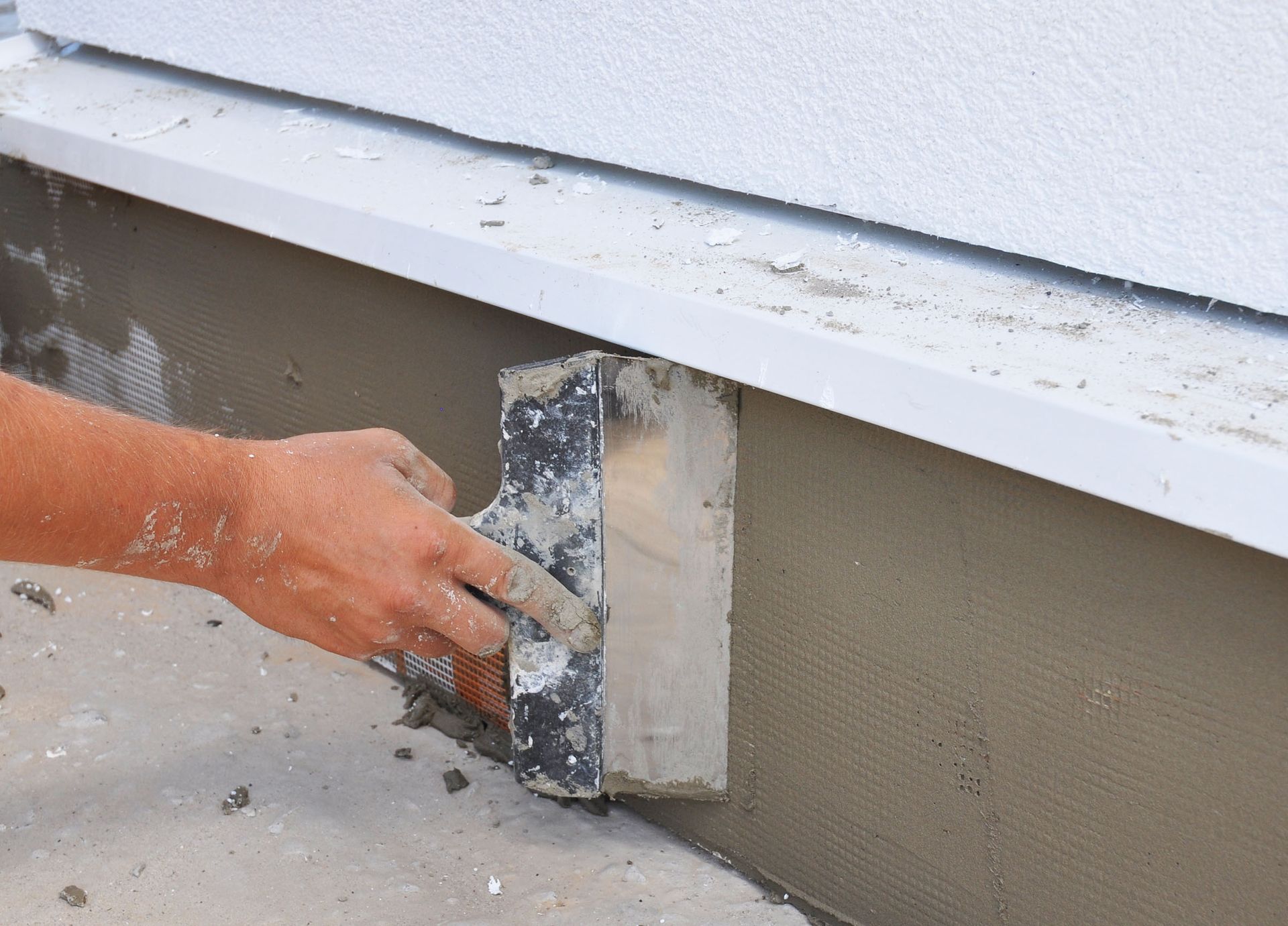
Mortar acts as the primary bonding agent in masonry; hence, its composition plays a crucial role. Typically composed of cement, lime, sand, and water, the mixture’s proportions determine its final strength and long-term durability. Cement provides structural hardness, lime ensures flexibility, and sand contributes to the overall volume and stability of the mix. Understanding this composition allows builders to customize mixes based on specific project requirements, adjusting ingredients to enhance performance.
Mortar mixes are classified into several types based on strength, mainly Type N, S, M, O, and K. Type N is a general-purpose mix ideal for exterior, above-grade walls exposed to severe weather. Type S offers higher tensile bond strength, perfect for below-grade applications like retaining walls. Type M is the strongest, making it suitable for heavy load-bearing walls and foundations, while Type O and K are used mainly for non-load-bearing interior designs.
Ensuring mortar compatibility with building materials is critical for structural integrity. Compatibility directly affects bonding capabilities; a mismatch can lead to poor adhesion or rapid structural failure. Masonry units must work harmoniously with mortar to support weight and cope with thermal expansion. Selecting compatible masonry supplies with a view of how they interact prevents long-term physical damage like crumbling, ultimately preserving the facade's physical and aesthetic coherence over several decades.
Mixing mortar correctly is pivotal to ensuring its desired properties are achieved. Start by accurately measuring ingredients according to your chosen mix type, adding water gradually until reaching a cohesive, workable consistency. During application, keep environmental conditions in mind, as extreme heat or cold can disrupt the curing process. Consistent application methods across the project area guarantee uniform effectiveness, structural resistance, and a clean finish.
One prevalent mistake is inaccurately proportioning the mortar mix, which compromises structural stability. An imbalance between cement, lime, and sand leads to issues like premature cracking or shrinkage. Failing to allow the mortar sufficient time to cure is equally detrimental, as rushed procedures yield weak bonds. By staying diligent, avoiding rushed application timelines, and keeping materials protected from harsh weather, you can successfully prevent these common structural pitfalls.
Selecting Quality Bricks
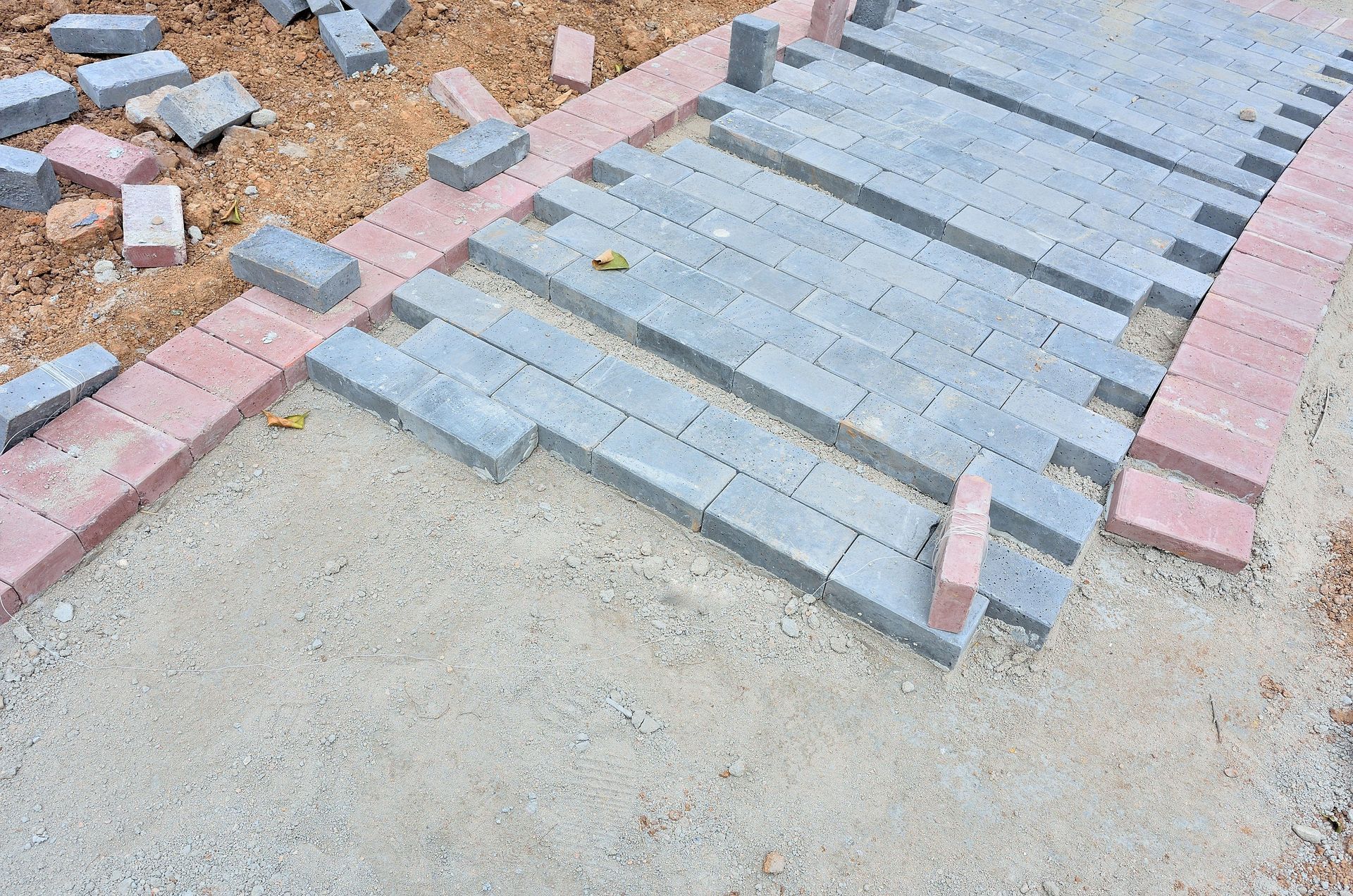
Bricks come in various types, each offering unique advantages for construction. Clay bricks are popular for their natural beauty and fire resistance, requiring a thorough kiln-firing process. Concrete bricks provide excellent insulation properties and are available in a wide variety of colors and textures. Fly ash bricks utilize industrial by-products to offer an eco-friendly, cost-effective alternative without sacrificing the structural integrity required for heavy-duty building.
Brick durability is a cornerstone of long-lasting masonry. According to the National Association of Home Builders, brick remains one of the most durable exterior building materials, with many masonry structures lasting more than 100 years. This extreme longevity stems from a high resistance to moisture absorption, freeze-thaw cycles, and physical impacts. When sourcing your masonry supplies, evaluating these durability ratings guarantees that your chosen bricks will stand firm against the elements.
Brick size and shape impact both aesthetic appeal and physical performance. Standard modular sizes allow for rapid, efficient laying patterns and predictable load distribution. Custom shapes can be tailored to unique architectural visions, adding character to arches, corners, and entryways. Selecting the correct dimensions upfront streamlines the labor process, minimizes waste, and ensures the finished masonry project achieves a beautiful, structurally sound balance.
Modern construction heavily emphasizes environmental sustainability, making eco-friendly bricks a popular choice. Reclaimed bricks reduce waste by giving historic materials a second life, while modern compressed earth blocks require minimal energy to manufacture. Utilizing sustainable bricks helps projects qualify for prestigious green building certifications, increasing overall property value while drastically reducing the carbon footprint associated with traditional, high-heat kiln manufacturing processes.
When purchasing bricks in bulk, verifying batch consistency is essential to avoid noticeable color or size variations. Always request physical samples from your distributor before placing a large order. Additionally, plan your delivery schedule to align with your project timeline, ensuring you have dry, secure storage space on-site to protect the bricks from premature moisture exposure and physical damage.
Exploring Stone Options
Choosing between natural and manufactured stone depends on budget, weight limitations, and aesthetic goals. Natural stone, quarried from the earth, provides unmatched beauty, unique textures, and lifelong durability. Manufactured stone veneer mimics this look at a fraction of the weight and cost, making it easier to install on diverse wall types. Both materials offer distinct benefits for creating striking accent walls, fireplaces, and exterior facades.
Stone structures are highly resilient, but they still require periodic upkeep to maintain their integrity. High-density stones like granite offer exceptional resistance to acid rain and freeze-thaw cycles. Applying a breathable sealer protects porous stones from water intrusion and staining. Regularly inspecting mortar joints and keeping the stone clean prevents organic growth, preserving both structural soundness and aesthetic beauty over time.
Stone offers an incredible spectrum of natural colors, from deep charcoals to warm creams and rust tones. The choice of stone cut—such as ashlar, fieldstone, or ledgestone—defines the architectural style of the building, matching everything from rustic cabins to ultra-modern commercial properties. This remarkable design versatility allows architects and homebuilders to create highly customized, visually engaging surfaces that dramatically enhance curb appeal.
Acquiring the appropriate masonry supplies for stone construction involves balancing upfront material costs with long-term performance. Sourcing stone from local quarries reduces heavy transportation fees and aligns the project with regional design aesthetics. For specialized projects requiring imported varieties, budgeting for freight and skilled installation masonry labor is crucial to preventing unexpected expenses and ensuring a seamless, high-quality installation.
Building a structure destined to last requires a deep commitment to selecting top-tier materials. From designing custom mortar mixes to choosing the most durable bricks and stone, every decision shapes the future of your build. Prioritizing high-quality masonry supplies and adhering to proper installation standards ensures your work remains strong and beautiful for decades. When you are ready to secure premium materials for your next build, look to I-10 Building Materials to provide the exceptional products, expert guidance, and reliable service needed to bring your structural vision to life.